When most people think about Grade II listed buildings, they imagine stately homes, ancient churches, or grand civic buildings. They don't typically think "ideal workspace." But as more businesses discover the unique advantages of operating from historic premises, that's beginning to change.
At St Martin's House in East Horsley – our flagship location built in 1860 – we've seen firsthand how working in a heritage building delivers benefits that go far beyond simply having attractive surroundings.
🏛️ What is Grade II Listing?
Grade II listed buildings are nationally important and of special interest, warranting every effort to preserve them. They account for approximately 91.7% of all listed buildings in England. The listing recognises their architectural or historic interest, and ensures any changes are carefully considered to preserve their character.
First Impressions Matter
Let's start with the obvious: arriving at a beautiful Victorian building creates a very different impression than walking into a generic modern office block. For clients, it signals something about the business they're about to meet.
A Grade II listed address suggests permanence, stability, and attention to quality. It says you've chosen your location deliberately, not just taken the cheapest available option. Before you've said a word, the building has already done some of your marketing for you.
Client Perception
Historic buildings convey trustworthiness and established expertise. Clients subconsciously associate heritage with quality and longevity – valuable signals for professional services businesses.
This isn't just about impressing clients either. When recruiting, the building becomes part of your employer brand. Talented people often prefer interesting workspaces to soulless offices. Being able to say "we're based in a beautiful Victorian building" gives you an edge when competing for talent.
Character That Inspires
There's something fundamentally different about working in a space with history. The high ceilings, original features, period details – they create an atmosphere that simply can't be replicated in new construction.
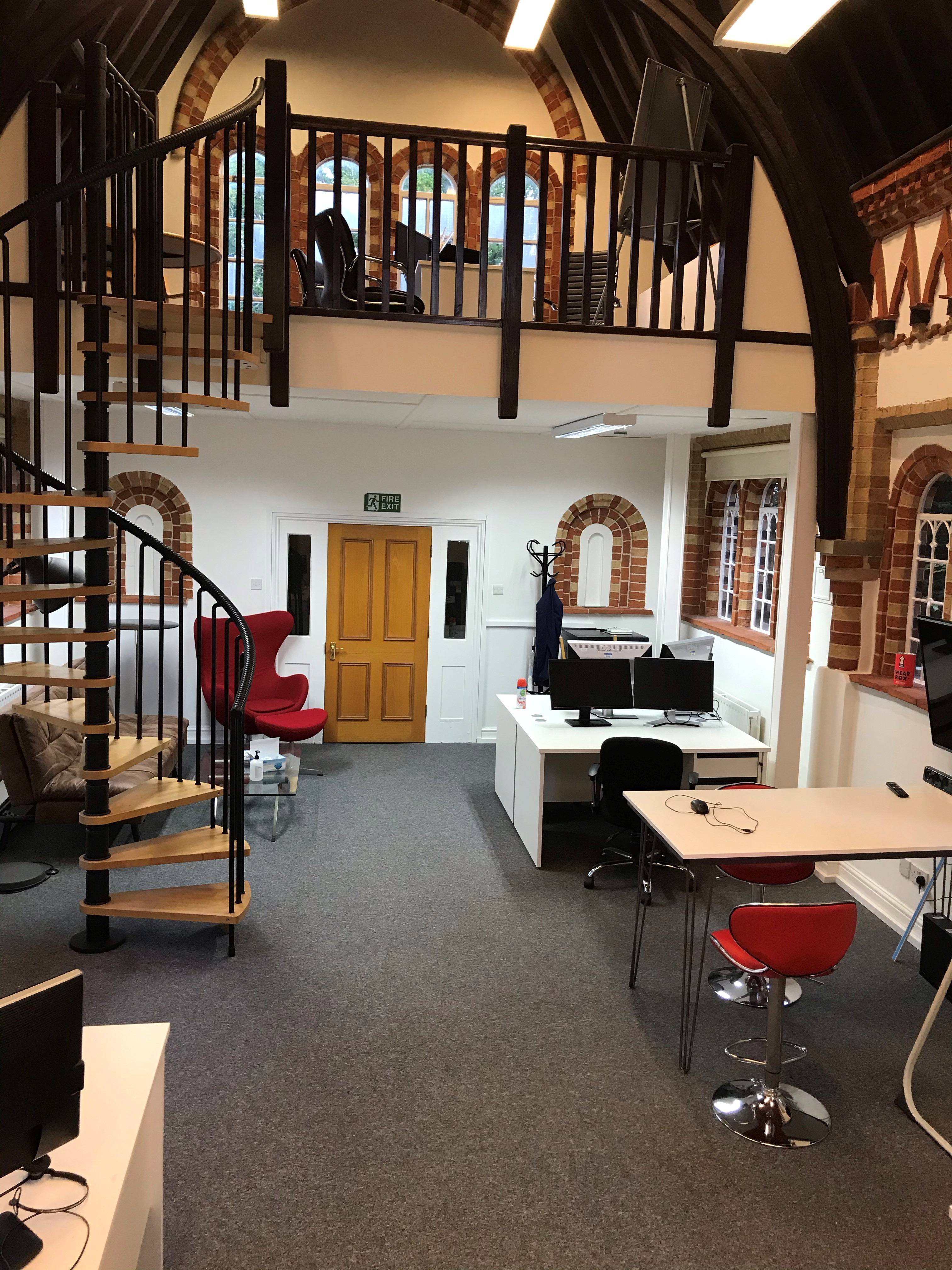
The grand entrance hall at St Martin's House, built in 1860
Creative professionals often find that characterful environments stimulate better thinking. The visual interest around them provides mental rest from screen work. The sense of being somewhere special – rather than somewhere generic – adds meaning to the daily commute.
Even for businesses where creativity isn't the primary focus, the psychological benefits of working in pleasant surroundings shouldn't be underestimated. People are simply happier in beautiful spaces, and happier people do better work.
Built to Last
Here's something that often surprises people: many listed buildings are actually better constructed than modern ones. Victorian builders used solid brick and stone, quality timber, and traditional techniques that have proven their durability over more than a century.
Construction Quality
Listed buildings have already stood the test of time. Their solid construction often provides better thermal mass, superior soundproofing, and a solidity that modern lightweight construction can't match.
The thick walls that characterise many heritage buildings provide excellent sound insulation between rooms – something that matters when conducting confidential client conversations. They also help regulate temperature, staying cooler in summer and retaining warmth in winter.
Yes, listed buildings require careful maintenance, but they've already proven they can last. A Victorian building that's been standing for 160 years is likely to see another 160 if properly cared for. The same can't necessarily be said for a 1980s office block.
Environmental Credentials
In an era of increasing environmental awareness, there's a powerful argument that the greenest building is one that already exists. The carbon embodied in a Victorian building's construction was released long ago. Using it now, rather than demolishing and rebuilding, is an inherently sustainable choice.
Listed buildings can be sensitively upgraded with modern environmental features – improved insulation, efficient heating systems, LED lighting – while retaining their historic character. The result is a workspace that honours the past while meeting modern standards.
🌱 Sustainability Considerations
- Reusing existing buildings avoids construction carbon
- Thermal mass of solid walls reduces heating/cooling needs
- High-quality original materials often outperform modern alternatives
- Sensitive upgrades can achieve good energy efficiency
- Character means buildings are valued and maintained long-term
A Unique Address
Your business address appears on everything: business cards, letterheads, email signatures, websites, contracts. An address at a named, historic building creates immediate differentiation from competitors operating from anonymous office parks or high street units.
"St Martin's House, East Horsley" tells a different story to "Unit 7, Industrial Estate." It's memorable, prestigious, and conveys a sense of place that generic addresses lack.
For businesses that receive clients at their premises, the named building provides easy navigation too. "Come to St Martin's House – you can't miss it" is rather more helpful than trying to direct someone to an anonymous door in a business park.
The Photography Advantage
In an age of social media and visual marketing, having a photogenic workspace is genuinely valuable. Historic buildings provide endless opportunities for striking imagery – whether for your website, LinkedIn posts, recruitment materials, or press coverage.
Visual Marketing
A characterful building gives you a ready-made backdrop for professional photography. Team photos, client meetings, and company events all benefit from memorable surroundings.
Compare team photos in front of a Victorian fireplace versus a blank office wall. The first tells a story; the second is forgettable. The building becomes part of your brand identity without you having to invest in expensive office design.
Community and Conversation
Listed buildings often generate genuine interest from visitors. Clients ask about the history, notice the architectural details, want to explore the space. This creates natural conversation opportunities and helps build relationships.
Being based in a building with a story gives you something to share – about its origins, its previous uses, its architectural features. These conversations humanise business relationships in ways that discussions about parking availability simply don't.
Modern Facilities, Historic Setting
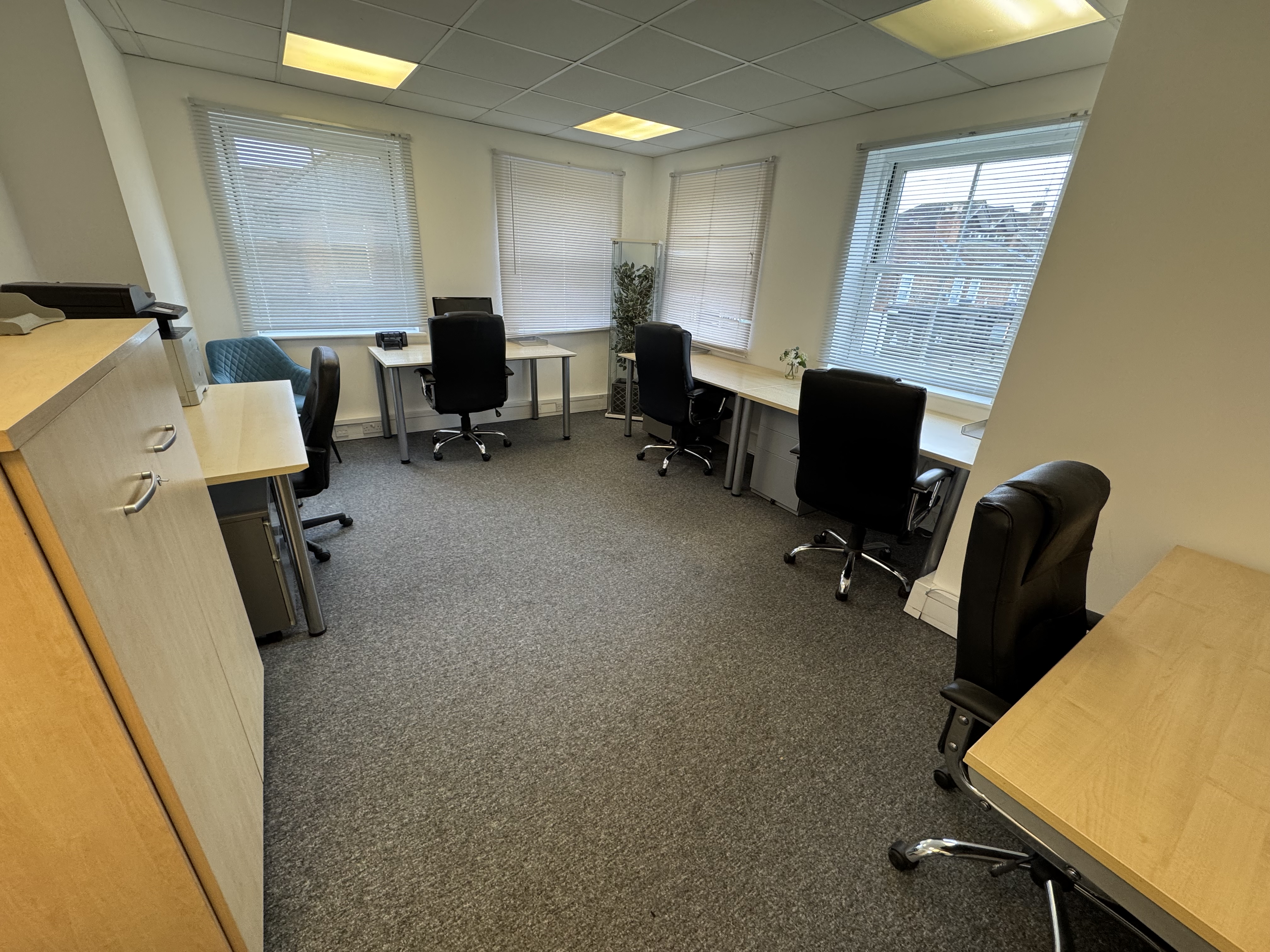
It's worth addressing a common concern: historic buildings don't mean outdated facilities. At St Martin's House, behind the Victorian façade, you'll find modern high-speed internet, contemporary heating and cooling systems, up-to-date fire safety equipment, and all the technology a modern business needs.
The skill lies in combining heritage character with contemporary comfort – preserving what makes the building special while ensuring it functions perfectly for modern business.
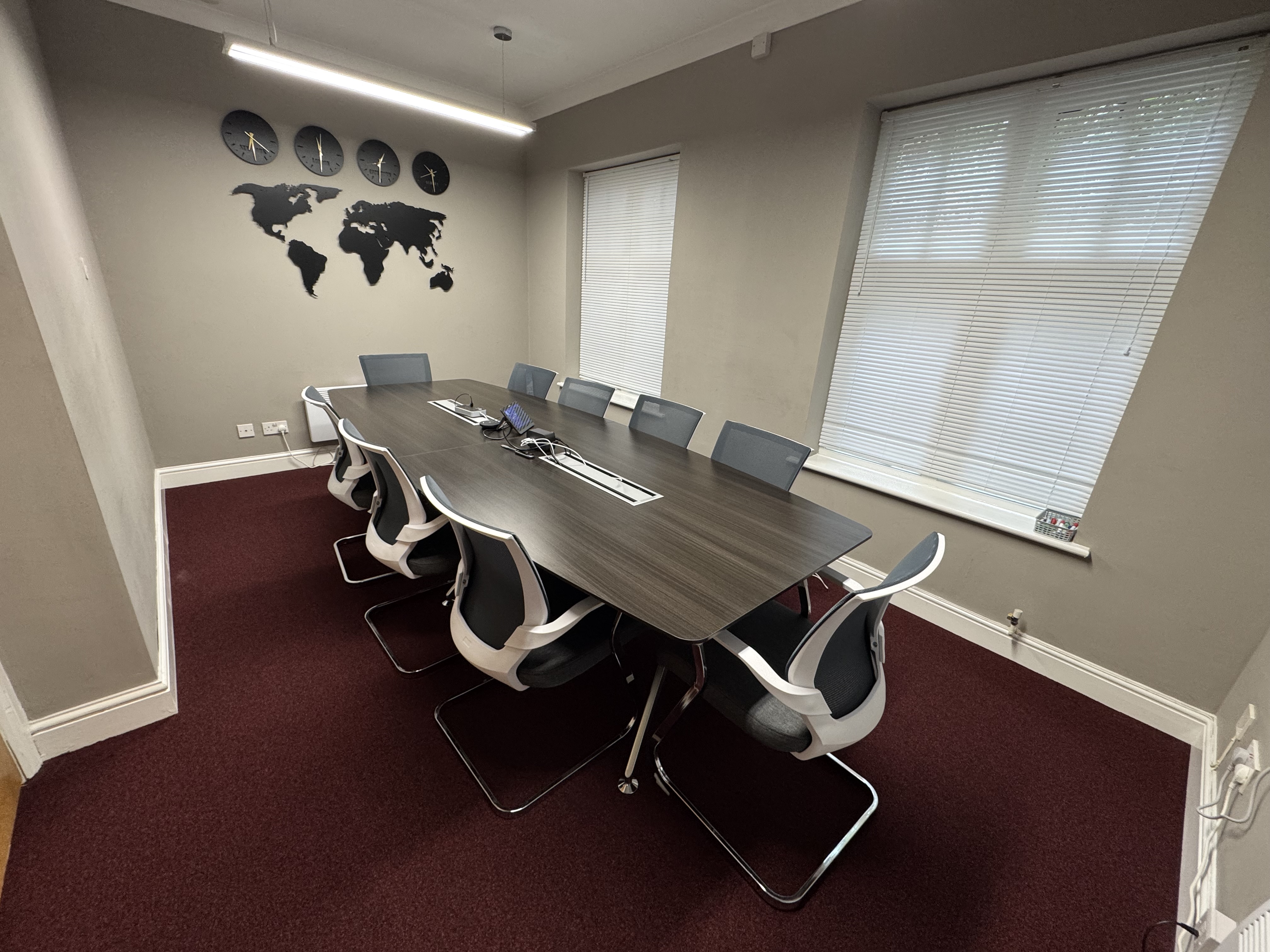
Contemporary meeting facilities within a historic setting
Protected for the Future
Some business owners worry that listed building status creates restrictions. It's true that significant alterations require Listed Building Consent, but for tenants renting serviced office space, this is rarely relevant – those responsibilities fall to the building owner.
What listing does provide is protection. The building can't be demolished or unsympathetically altered. Your historic workspace will remain historic, protected by law from development that would compromise its character. In a world of constant change, there's something reassuring about that permanence.
Is a Listed Building Right for Your Business?
Working from a Grade II listed building suits businesses that value:
- Making strong first impressions on clients and recruits
- Having a distinctive, memorable workspace
- Environmental responsibility through building reuse
- Character and history over corporate anonymity
- A prestigious, named business address
- Working in genuinely pleasant surroundings
It may be less suitable if you need to make significant physical modifications to your space, require very specific modern specifications that can't be accommodated in a heritage building, or simply prefer the blank-canvas approach of new construction.
Experience It for Yourself
Photos and descriptions can only communicate so much. The true appeal of a Grade II listed workspace – the feeling of the space, the quality of light through original windows, the sense of connection to history – really needs to be experienced in person.
St Martin's House has been carefully maintained and sensitively updated to offer the best of both worlds: Victorian grandeur combined with modern business essentials. It's a workspace that makes people proud to come to work – and that shows every time a client walks through the door.
Visit St Martin's House
Discover the difference a Grade II listed address could make for your business. Book a viewing and experience 160 years of history meeting modern workspace.
Explore St Martin's House